






海韻滄桑:馬灣涌漁村的歲月足跡
Tides of Time: The Rise and Fall of
Ma Wan Chung’s Fisheries
撰 文 Author Josh
🔊📖 聲音導賞
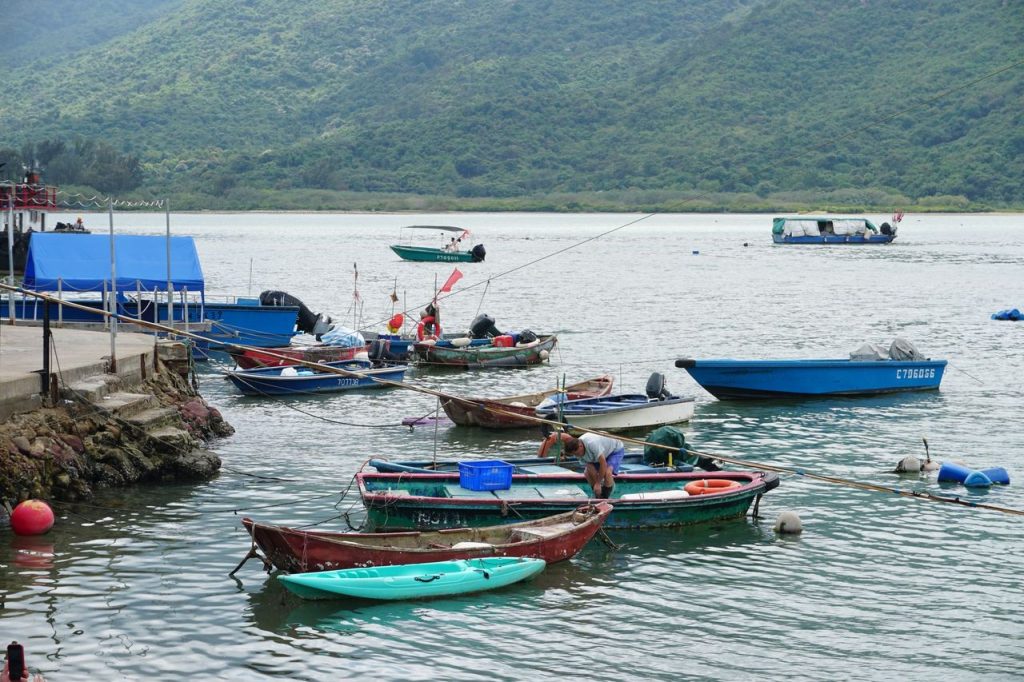
馬灣涌村的漁業歷史可以追溯到1970年代,那時漁民以自給自足的方式維持生計,依賴海洋資源捕撈魚類。進入1980年代,魚排的出現成為了漁業的新模式,使得魚類養殖逐漸取代傳統捕撈,漁業的興旺期也隨之到來。這一時期,漁民的生活水平有所提升,漁業技術的進步使得魚的養殖變得更為高效,漁民不再僅僅依賴捕撈,而是能夠透過養殖獲得穩定的收入。
然而,進入1990年代後,馬灣涌村的漁業開始出現衰退的跡象。這一變化涉及多方面的原因。首先,城市化進程加快,尤其是對赤鱲角的開發,導致了大量海洋生態環境被破壞。基建工程如機場的建設,對水域的污染和改變了水流,直接影響了魚類的生存環境。許多漁民發現,過去繁盛的魚類資源急劇減少,捕撈的漁獲日益稀少,漁民的生計受到威脅。
其次,外來魚種的引入也是造成本地漁業衰退的一個重要因素。隨著馬來西亞等地的魚類大量進口,價格低廉的外來魚類使得本地漁民的競爭力下降。許多漁民因無法與之競爭而選擇放棄傳統捕撈,轉而尋找其他的生計方式。這使得當地的漁業逐漸淪為次要產業,漁民的收入隨之減少,生活水平受到影響。
再者,漁業的興衰也與環保及可持續發展的意識有關。隨著社會對環保問題的關注增加,許多漁業活動被限制,漁民面臨的捕撈配額與規範日益嚴格。這些政策的實施初衷雖然是為了保護海洋生態,但卻也讓許多依賴漁業為生的家庭陷入困境。漁民的生活逐漸變得不穩定,傳統的漁業文化面臨失傳的危機。
在這樣的背景下,馬灣涌村的漁民們不得不尋找新的生計方式,許多漁民選擇轉型,進軍旅遊業或其他行業。然而,對於一些年長的漁民而言,轉型的困難和對傳統生活方式的懷念使得他們在面對變化時充滿無奈。
總結來說,1970至1990年代馬灣涌村的漁業歷經了從興盛到衰退的過程,這一變遷不僅改變了漁業生態,也深刻影響了當地漁民的生活。漁業的興起曾為漁民帶來希望與繁榮,但隨著環境變化和市場競爭的加劇,漁業的衰退讓這些家庭面臨生計困境,傳統文化也因此受到衝擊。未來,如何在保護海洋生態的同時,找到可持續的發展模式,將是馬灣涌村漁民需要共同面對的挑戰。
The fishing history of Ma Wan Chung Village can be traced back to the 1970s when fishermen sustained their livelihoods through a self-sufficient way of life, relying primarily on marine resources for catching fish. Entering the 1980s, the advent of fish rafts introduced a new model for fisheries, gradually replacing traditional fishing with fish farming, ushering in a prosperous era for the industry. During this period, fishermen’s living standards improved, and advances in aquaculture technology made fish farming more efficient. Fishermen were no longer solely dependent on wild catches but could secure stable incomes through farming.
However, from the 1990s onward, signs of decline appeared in Ma Wan Chung’s fisheries. This shift stemmed from multiple factors. First, accelerated urbanization, particularly the development of Chek Lap Kok, resulted in extensive damage to the marine ecological environment. Infrastructure projects such as airport construction caused water pollution and altered water flow patterns, directly impacting fish habitats. Many fishermen noticed that once-abundant fish stocks rapidly diminished, their catches became increasingly scarce, putting their livelihoods under threat.
Second, the importation of non-native fish species significantly contributed to the decline of local fisheries. With substantial imports of inexpensive fish from places like Malaysia, local fishermen lost competitiveness. Many abandoned traditional fishing practices, seeking alternative livelihoods. Consequently, local fisheries gradually became a secondary industry, and fishermen’s incomes and living standards declined.
Furthermore, the rise in environmental awareness and sustainable development also influenced the fisheries’ rise and fall. As society placed greater emphasis on environmental issues, many fishing activities were restricted, and fishing quotas and regulations became stricter. These policies, while designed to protect the marine ecosystem, posed challenges for families dependent on fishing for their income. Fishermen’s lives grew unstable, and the traditional fishing culture faces the risk of fading away.
Against this backdrop, Ma Wan Chung’s fishermen have had to explore new means of making a living, with many transitioning to tourism or other sectors. Yet for some older fishermen, the hardships of adapting and their nostalgia for traditional lifestyles have left them feeling helpless in the face of change.
In summary, between the 1970s and 1990s, Ma Wan Chung Village’s fisheries experienced a cycle from flourishing to decline. This transformation not only altered the fishing ecology but also profoundly affected the local fishermen’s lives. While the peak of the fishery industry once brought hope and prosperity, environmental changes and market competition intensified its downturn, placing fishing families in difficult straits and impacting their cultural heritage. Looking ahead, balancing marine ecological protection with sustainable development models will be a shared challenge for the fishermen of Ma Wan Chung Village.