






馬灣涌村:傳統與現代交融的小村落
Tides of Time: Where Heritage Meets Modernity
in Ma Wan Chung
撰 文 Yolanda Chau
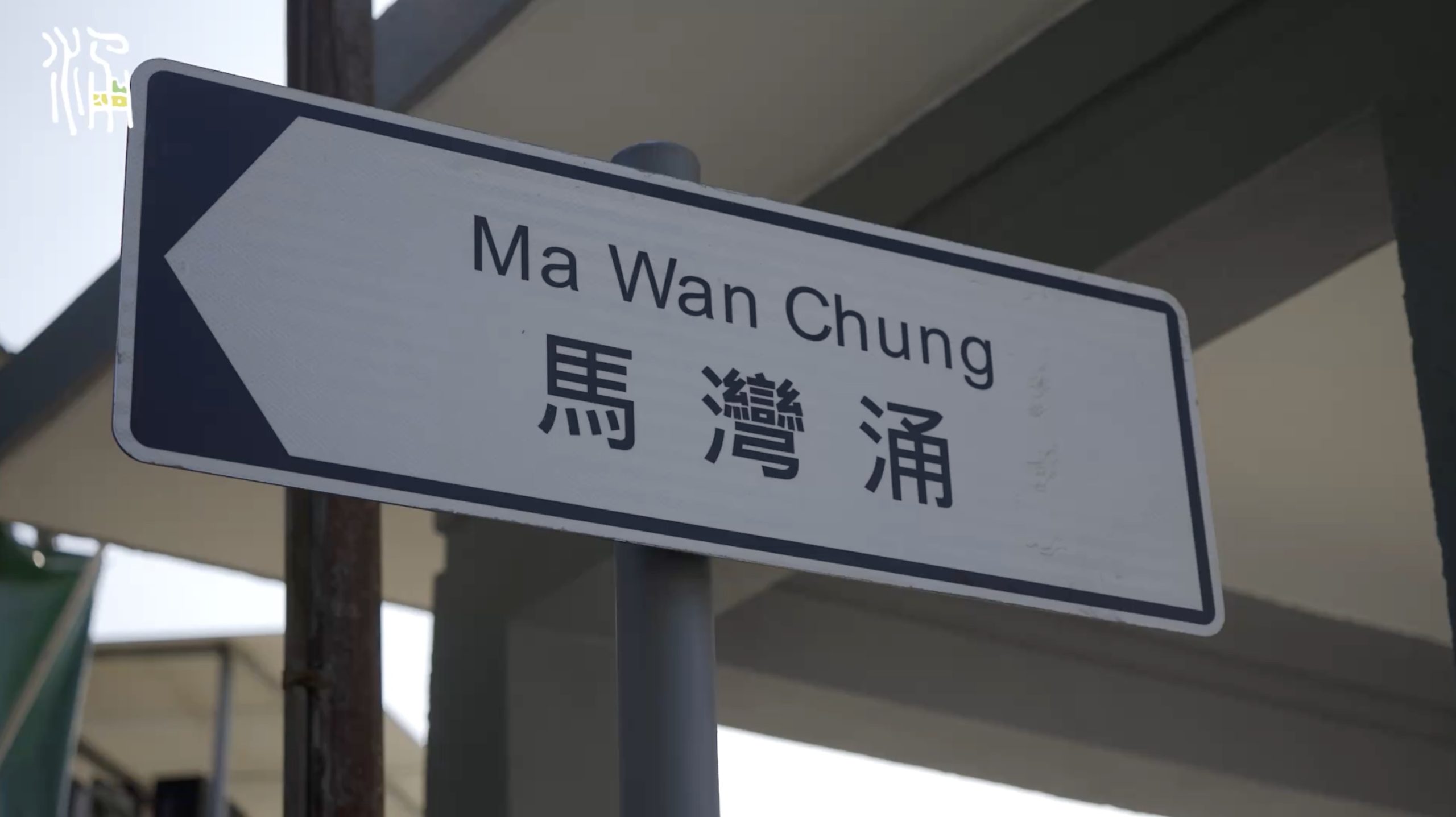
馬灣涌村,一條從村頭走到舊碼頭,不過短短十分鐘路程的村落,原本隨著東涌新市鎮的發展而一度被納入填海和開發計劃,但最終得以保留。然而,村莊的命運並非完全不受影響。隨著經濟重心轉移至東涌市中心,馬灣涌村的生態與人文景象也悄然發生了改變。今天的馬灣涌村,依然保留著原始村落的模樣,但在傳統與現代的交錯中,究竟保留了什麼,又失去了什麼?
作為一名非原居民,我帶著好奇心踏進這條充滿歷史韻味的小村莊,試圖通過它的歷史、文化和飲食,感受它的今昔對比,也重新審視它在城市化浪潮中的位置。
第一站:東昇樓
東昇樓是於1972年創立的餐廳,以優先使用本地新鮮海鮮、蔬菜和家禽而聞名。那時的馬灣涌村生態資源豐富,村民每日捕撈的魚蝦、自種的蔬菜,成為東昇樓招牌菜的主要食材。然而,隨著村內生態的變化,漁業逐漸式微,如今餐廳的海鮮多來自其他地區。
儘管如此,東昇樓卻以另一種方式延續著它的生命力。如今,餐廳最為人津津樂道的是「夜茶」,這項特色源於一群年輕人的創意。為了讓餐廳注入新活力,老闆將場地租借給這些年輕人,支持他們經營夜茶。這裡的夜茶不僅保留了傳統的蝦餃、燒賣等點心,還提供糖水。夜茶的成功讓東昇樓重新成為村內的熱點,既承載著歷史,也展現了傳統與創新的交融。
第二站:Sunny Bike
漫步村內,不難發現單車是馬灣涌村的重要交通工具,已成為村莊的一大特色。而 Sunny Bike 的出現,正是這份特色的縮影。店主Sunny自小在馬灣涌村長大,見證了村落因城市工業化而變得冷清,不少村民搬離家鄉。然而,隨著機場的建設,村內迎來了新居民,Sunny 也選擇搬回家鄉,並開辦了這間單車店。特別是自2019年疫情興起本地遊後,許多本地人專程來到村莊探索,Sunny Bike 就成為遊客騎行村內、欣賞美景的起點。
單車不僅是旅遊工具,對村民來說也是日常代步的主要方式。然而,隨著共享單車的普及,越來越多居民選擇使用共享單車,對 Sunny Bike 的經營帶來了挑戰。為了適應變化,Sunny Bike 現時還提供山地單車的維修服務。未來,這家單車店該如何發展?是專注於遊客市場,還是尋找新的經營模式?這些問題,正見證著馬灣涌村在現代社會中的一場新變遷。
第三站:李芳園
李芳園,這間早年以冰室形式經營的小店,是村內另一個歷史縮影。當時的冰室因不能設明火,只提供凍飲和三文治等輕食,成為村民的休息場所。隨著時代變遷,冰室的定義逐漸模糊,如今的李芳園已演變為一家結合茶餐廳特色的小店。餐牌上,不僅保留了傳統的三文治和奶茶,還加入了餐蛋麵等常見的熱食。
值得一提的是,李芳園依然保持「即叫即煮」方式。進入小店,透過門邊可以清楚看到老闆娘即場烹煮顧客點的食品,讓人感受到濃厚的人情味。雖然餐飲形式有所改變,但這份傳統的親切感仍然如昔,吸引著遊客和村民重溫昔日冰室的氛圍。
傳統與現代的交錯
馬灣涌村雖在城市化浪潮中倖存,但經濟中心的轉移、生活文化、生態的變遷,改變了它的生活方式。從東昇樓的夜茶到 Sunny Bike 的單車文化,再到李芳園的冰室風情,這條村莊的每一個角落都在述說著它的過去與現在。如今,它以嶄新的姿態迎接遊客,同時保留著一絲傳統的韻味。這裡既是歷史的見證者,也是時代的參與者,讓每一位到訪者都能感受到它的獨特魅力與生命力。
Ma Wan Chung is a village where one can walk from the village entrance to the old pier in just ten minutes. Originally slated for reclamation and development alongside the Tung Chung New Town project, it was ultimately preserved. However, its fate was not entirely untouched. As the economic centre shifted to Tung Chung City Centre, the ecological and cultural landscape of Ma Wan Chung quietly transformed. Today, the village retains its original appearance, yet in this intersection of tradition and modernity, one must wonder: what has been saved, and what has been lost?
As a non-native, I stepped into this historically rich village with curiosity, attempting to feel the contrast between its past and present through its history, culture, and cuisine, while re-examining its place in the wave of urbanisation.
First Stop: Tung Shing Lau
Established in 1972, Tung Shing Lau is a restaurant famed for prioritising fresh local seafood, vegetables, and poultry. At that time, Ma Wan Chung was ecologically abundant; the fish and shrimp caught daily by villagers and their home-grown vegetables were the primary ingredients for the restaurant’s signature dishes. However, as the local ecology changed and the fishing industry declined, much of the restaurant’s seafood is now sourced from other regions.
Nevertheless, Tung Shing Lau has extended its vitality in a different way. Today, its most talked-about feature is “Late Night Dim Sum,” a concept born from the creativity of a group of young people. To inject new energy into the establishment, the owner rents the venue to these youths, supporting their late-night business. This service not only offers traditional dim sum like shrimp dumplings and siu mai but also provides sweet soups. The success of late-night dim sum has turned Tung Shing Lau into a village hotspot once again, carrying its history forward while showcasing the fusion of tradition and innovation.
Second Stop: Sunny Bike
Walking through the village, it is easy to see that bicycles are a vital mode of transport and a defining characteristic of Ma Wan Chung. Sunny Bike is the epitome of this trait. The owner, Sunny, grew up in the village and witnessed it grow quiet as industrialisation led many villagers to move away. However, with the construction of the airport bringing new residents, Sunny chose to return home and open this bicycle shop. Since the rise of local “staycations” during the 2019 pandemic, many locals have come to explore the village, making Sunny Bike the starting point for tourists to cycle through and enjoy the scenery.
Bicycles are more than just a tourist tool; for villagers, they remain a primary way to get around. Yet, the popularity of bike-sharing has brought challenges to Sunny Bike’s business. To adapt, Sunny Bike now offers repair services for mountain bikes. How will this shop evolve in the future? Will it focus on the tourist market or find a new business model? These questions reflect the new chapter of change Ma Wan Chung is navigating in modern society.
Third Stop: Lee Fong Yuen
Lee Fong Yuen, a small shop that operated as a traditional “ice house” in its early years, is another historical microcosm of the village. Back then, bing sutts were not allowed to use open fires and could only serve cold drinks and light snacks like sandwiches, serving as a rest area for villagers. As times changed and the definition of a bing sutt blurred, Lee Fong Yuen evolved into a small shop with the characteristics of a “cha chaan teng”. The menu now includes common hot meals like luncheon meat and egg noodles alongside traditional sandwiches and milk tea.
Notably, Lee Fong Yuen maintains its “made-to-order” approach. Upon entering, one can clearly see the proprietress cooking for her customers right by the door, an act that exudes a strong sense of human warmth. Although the format of the dining has changed, the traditional intimacy remains, attracting both tourists and villagers to relive the atmosphere of the ice houses of the old days.
The Intersection of Tradition and Modernity
While Ma Wan Chung survived the tide of urbanization, the shift in economic centers and changes in lifestyle and ecology have altered its way of life. From the late-night dim sum at Tung Shing Lau to the cycling culture of Sunny Bike and the bing sutt charm of Lee Fong Yuen, every corner of this village tells a story of its past and present. Today, it welcomes tourists with a new posture while preserving a hint of traditional flavor. It is both a witness to history and a participant in the modern era, allowing every visitor to feel its unique charm and enduring soul.