






東涌馬灣涌:在發展洪流中自成一隅的古樸樂章
A Quaint Melody Resonating in a Corner of the Developing Tide
撰 文 Louis Lo
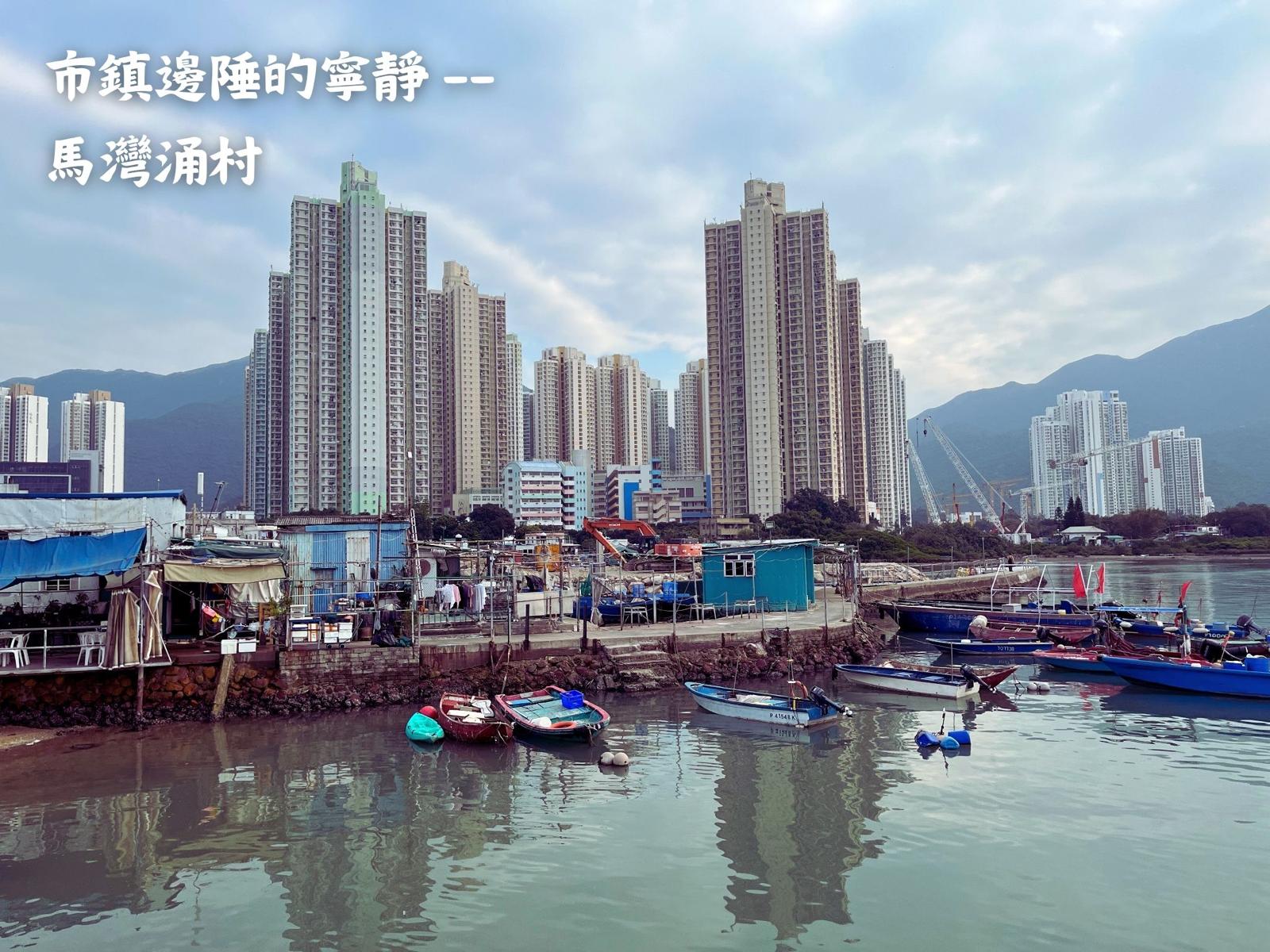
誰能想到,一朝的發展能讓馬灣涌村經歷瞬間的殞落。只是多年來,沿山峰爬升的纜車吊索、讓人馳騁萬里的飛機航道、港珠澳大橋,都巧妙地繞村而過,甚或已進行得如火如荼的地鐵軌道工程,也藏在無人可及的地底。村落就像罩上了保護膜,免除被填海拆遷的風險。原來這裏,藏著的是東涌人最原始的回憶、是村民們自食其力、踏實過活與互助互利的珍貴歷史。
威哥一家本身並非經營餐廳,而是務農和養豬。1966年,一場突如其來的颱風摧毀了威哥一家在東涌的家園。威哥當時只有三歲,他記得洪水湧進屋內,父母將他抱到高架的床上避險。這次災難徹底改變了家庭的命運。威哥的父親果斷決定放棄務農和養豬,選擇更穩定的餐飲業,並在1972年,在一塊起初不過是人稱「爛地」的鹽鹼地,建立了東昇樓。
只要從逸東邨的商場向海邊方向走,馬灣涌村的入口不難被發現。「東昇樓」、「正記菜館」、「高佬酸辣粉」,奪目的招牌吸引我的側目。拾級而下,狹長的村落通道,讓我想起鯉魚門的海鮮腥氣與餅家的踏實,檔主竭力地守著多年承傳下來的手藝。在馬灣涌村也不例外,我們一行十五人在東昇樓吃過豐盛的午餐,店主威哥殷殷點頭,又笑著從水缸提起由漁民親自捕捉的泥鯭、臘魚、藍花蟹,介紹這些都是鮮甜的本土食材,不假外求,免了運輸成本,也締造成菜館獨特的韻味。為人樂道的「東昇三寶」,一直慰勞村民的辛勞,與千里迢迢前來一探究竟的遊客。現在,不少新一代的村民都選擇外出市區打拼,老闆掛著慈祥的笑容,笑說著年輕人值得擁有一個更大的世界,但隨時歡迎他們回來尋根。果然,東昇樓獨特的「夜茶文化」,正是由年輕人發起。晚上能聽到茶杯交錯的響聲、感受到蒸籠升騰的熱氣,暗示著村落生命仍在躍動。曾經海產能自給自足,如今未必能延續,但東昇樓仍能安然地經營下去,適時創新,讓人津津樂道。原來馬灣涌的旋律,未曾停歇,只待有心人欣賞、發掘,繼續譜寫這裏敬業與古樸的樂章。
對土地的深厚連結,在東昇樓的食物中體現得淋漓盡致。餐廳的理念簡單而堅定——「取之於地,用之於地」。在東涌變成新市鎮前,幾乎所有食材都來自東涌本地:豬肉來自村內的農戶,海鮮源自東涌灣,甚至連稻米也來自東涌的稻田。除了少數如鴨和鵝等禽類必須外購,其餘幾乎全由本地供應,這份對土地資源的依賴與尊重,延續了家族扎根東涌的精神。馬灣涌村靠近東涌灣,過去是盛產海鮮的漁村。東昇樓創業初期便以村內的漁獲和農產品為主要食材來源,從魚類到豬肉,無一不散發著在地特色。藍花蟹、黃立䱽魚,甚至村民親手釣上的馬友魚,都成為餐桌上的經典佳餚。雖然如今東涌已無商業農場存在,威哥仍堅持售賣本地漁獲,珍惜能找到的一切。藍花蟹過去是漁民自己享用的美味,如今成為餐廳的招牌菜,肉質甜美多汁,令人垂涎。而其他本地魚類,也經常出現在東昇樓的菜單上,延續著東涌海域的滋味與記憶。
不僅是飽暖眾人飢腸的餐廳,仍能屹立不倒的,我想必定是東昇樓旁邊的大嶼山單車店–Suuny Bike Shop。 Suuny 店長自小在村內成長,外出工作數年後,忍受不住城市的過分喧囂,選擇退回這一片小天地,與清風與愛犬為樂,同時自學修單車,在村屋「前舖後居」的結構中,過著簡單的生活,一如店鋪與店主的名字,這是何等樂天的態度。變幻原是永恆,即使遠離煩囂,亦無法抗禦社會的變化,Sunny 店長話語中略顯無奈與黯然。但歲月亦同時催人奮進,因應如今共享單車已十分盛行的時代,單車店如今主力提供維修服務,抬頭一看,店主在紙皮上以凌厲的筆鋒,寫下「不借工具,打氣$10」數隻大字,這些都是老店的個性、自信與堅持,也是店長對自己經營生意的決心與盡力。說罷,兩位少年隨即駕著單車回到店鋪,我們十多位團友打趣地列隊歡迎,讓單車鋪瞬間平添了一些青春的活力與笑聲,這也是我們對 Sunny 店長最誠摯的祝福。
若然下次到訪單車舖,別忘了端看單車鋪的外牆。Sunny 使用多個膠樽,作為孕育幼苗之盆地,讓嫩綠的葉子得以生長,一直攀藤到棚頂,仰頭看,數朵洋紅色的鮮花在頭上綻放,若然在日光下,更顯耀眼,成為了店鋪中的一抹點舖。而我相信,那是老闆多年來踏實工作的碩果與處變不驚的朝氣。
沿著通道一直走,便是更多的髮廊、貨品多元的雜貨店、小本經營的冰室,無一不隱藏於結實的白牆內,沒有刻意向外界展露自己的鋒芒,但若你深入店鋪,與店主有一夕交流,他們總能滔滔不絕地將村落的歷史道出,偶爾又回憶到自己小時候簡單的娛樂。雖然村落仍有很多幽秘的地方尚待發掘,但有一點可以肯定的是,這裏有一種獨特的語言與精神力量,能將村民的情感與心思,勾留在馬灣涌這個自成一隅的地方,只要到訪的遊客能靜心傾聽,故事總能沿著我們的腳步,在馬灣涌村內不斷流竄、燃燒、發光。
The towering buildings of Yat Tung Estate reach toward the sky, completely severing the visual connection between Tung Chung Fort and the vast sea. Having lost its strategic military status, Tung Chung now hums with the ordinary rhythm of a new town story—residents working from sunrise to sunset amidst well-equipped estate facilities and green spaces. Yet, if you venture just a step further to the edge of Yat Tung Estate, you will find Ma Wan Chung Village, a place that once served as the economic and transportation heart of Tung Chung. Nestled against mountain peaks and facing the sea, its unique estuary ecology once made it a thriving hub for both fishing and agriculture. Before Tung Chung’s urban transformation, trade flourished here; ships moved incessantly, and bus companies even vied to extend their routes to the village pier—an enviable landmark for many Tung Chung residents of that era.
Who could have predicted that modern development would bring such a swift decline to Ma Wan Chung’s prominence? For years, the climbing cables of the Ngong Ping 360, the high-altitude flight paths of global air travel, and the massive structure of the Hong Kong-Zhuhai-Macao Bridge have all skillfully bypassed the village. Even the ongoing subway expansion projects are hidden deep underground, out of sight. It is as if a protective membrane has shielded the village, exempting it from the risks of reclamation and demolition. Hidden here are the most primitive memories of Tung Chung people—a precious history of villagers living self-sufficiently, honestly, and in mutual support.
The family of Wai-gor, the current owner of Tung Shing Lau, did not originally run a restaurant; they were farmers and pig herders. In 1966, a sudden typhoon destroyed their family home in Tung Chung. Only three years old at the time, Wai-gor remembers floodwaters surging into the house and his parents lifting him onto a high bed for safety. This disaster completely altered the family’s destiny. His father decisively abandoned farming to seek a more stable life in the catering industry, eventually establishing Tung Shing Lau in 1972 on a patch of saline-alkali land that others dismissed as “rubbish land”.
Walking toward the sea from the Yat Tung shopping center, the entrance to Ma Wan Chung is easily found. Eye-catching signs like “Tung Shing Lau,” “Ching Kee Restaurant,” and “Tall Guy Sour and Spicy Noodles” draw the eye. Descending the steps, the narrow village passages evoke the briny scent of Lei Yue Mun and the honest atmosphere of traditional bakeries, where proprietors strive to preserve skills passed down through generations.
Ma Wan Chung is no different. After our group of fifteen enjoyed a sumptuous lunch at Tung Shing Lau, Wai-gor smiled and nodded, lifting mudskippers, sea bream, and blue flower crabs from the tanks. He explained that these fresh, sweet local ingredients require no external sourcing, saving on transport costs and creating the restaurant’s unique charm. The celebrated “Three Treasures of Tung Shing” have long comforted hardworking villagers and intrigued tourists who travel from afar
. Although many of the younger generation now choose to work in the city, the boss notes with a kind smile that while they deserve to see a bigger world, they are always welcome to return to their roots.
Fittingly, the restaurant’s unique “late-night dim sum culture” was initiated by these very young people. At night, the sound of clinking teacups and the steam rising from bamboo baskets signal that the village’s pulse is still beating. Though the era of complete self-sufficiency in seafood may be passing, Tung Shing Lau continues to thrive through timely innovation. The melody of Ma Wan Chung has never stopped; it simply waits for those with the heart to appreciate and discover the quaint movement of dedication written here.
The deep connection to the land is vividly reflected in Tung Shing Lau’s food. The restaurant operates on a simple, firm philosophy: “Taken from the land, used for the land.” Before the new town emerged, nearly all ingredients were sourced locally—pork from village farmers, seafood from Tung Chung Bay, and even rice from local paddies. Aside from poultry like duck and goose that had to be purchased externally, almost everything else was supplied by the local environment. This reliance on and respect for land resources continues the family’s spirit of being rooted in Tung Chung.
Historically a fishing village famous for its bounty, Tung Shing Lau’s early signature dishes utilised local catches and agricultural products. Blue flower crabs, yellowfin sea bream, and even threadfin fish caught by hand by villagers became classic table delicacies. Although commercial farms no longer exist in Tung Chung today, Wai-gor insists on selling local catches, treasuring whatever can be found. Once a delicacy enjoyed primarily by the fishermen themselves, the blue flower crab is now a signature dish, prized for its sweet and juicy meat.
Beyond the restaurants that satisfy the hungry, another pillar of the community is Sunny Bike Shop, located right next to Tung Shing Lau. The shopkeeper, Sunny, grew up in the village. After working in the city for a few years, he found the urban noise unbearable and chose to retreat to this small world to enjoy the breeze and the company of his beloved dog. He taught himself bicycle repair and leads a simple life in a traditional “shop-in-front, home-in-back” village house—an optimistic attitude reflected in both his name and his shop.
Yet change is eternal, and even a retreat cannot fully resist the shifts in society; Sunny’s words sometimes carry a hint of helplessness regarding the modern era. However, the passing years also drive progress. In an age where shared bikes are prevalent, the shop now focuses on repair services. A sign written in sharp, bold strokes on cardboard reads: “No tools lent. Pumping $10.” These words reflect the personality, confidence, and persistence of an old shop, as well as the owner’s determination to do his best in business. As we spoke, two teenagers returned their bikes to the shop, and our group jokingly formed a line to welcome them, instantly filling the space with youthful energy and laughter—our sincerest blessing to Sunny.
On your next visit, do not forget to look at the exterior wall of the bike shop. Sunny uses numerous plastic bottles as basins to nurture seedlings, allowing vibrant green leaves to climb all the way to the roof of the trellis. Looking up, several magenta flowers bloom overhead, glowing brilliantly in the sunlight—a bright spot in the shop that represents the fruits of his honest labor and his calm, unwavering spirit through years of change.
Following the passage further, one finds more hair salons, grocery stores with diverse goods, and small-scale ice houses, all tucked away behind sturdy white walls. They do not flaunt their presence to the outside world, but if you step inside and exchange words with the owners, they will speak endlessly of the village’s history and their own simple childhood entertainments. While many of the village’s secrets remain to be discovered, one thing is certain: there is a unique language and spiritual force here that keeps the emotions and thoughts of the villagers anchored to Ma Wan Chung. As long as visitors listen with a quiet heart, these stories will continue to circulate and burn along our footsteps within the village.