






未來不新、過去非舊 − 淺淡東涌綫延綫建成後想像的馬灣涌
Between Old and New: Imagining Ma Wan Chung
Beyond the Tung Chung Line Extension
撰 文 Author Frank
🔊📖 聲音導賞
當交通變得更為方便,社區便會出現變化,寧靜小村有機會轉變成充滿打卡精品、咖啡店的景點,甚至是大量人流進入小村,影響村民日常生活⋯⋯ 但對於馬灣涌村而言,事情卻非如此。村長們想像東涌線延綫建成以後,有機會成為過去他們成長經歷中熟悉的一面。訪問之間交替著難以下定論的未來,再加上參考過去馬灣涌村繁盛的一面,既有熟悉,又感陌生。重新接近東涌貿易中心,是以未來帶來過去。
以一個非常抽象的問題「你哋覺得村入面喺港鐵通車之後會有咩未來?」作開場白。甫開初,大家開玩笑似的說「有咩未來啊?」,但慢慢進入了了一個混合未知與已知的討論。
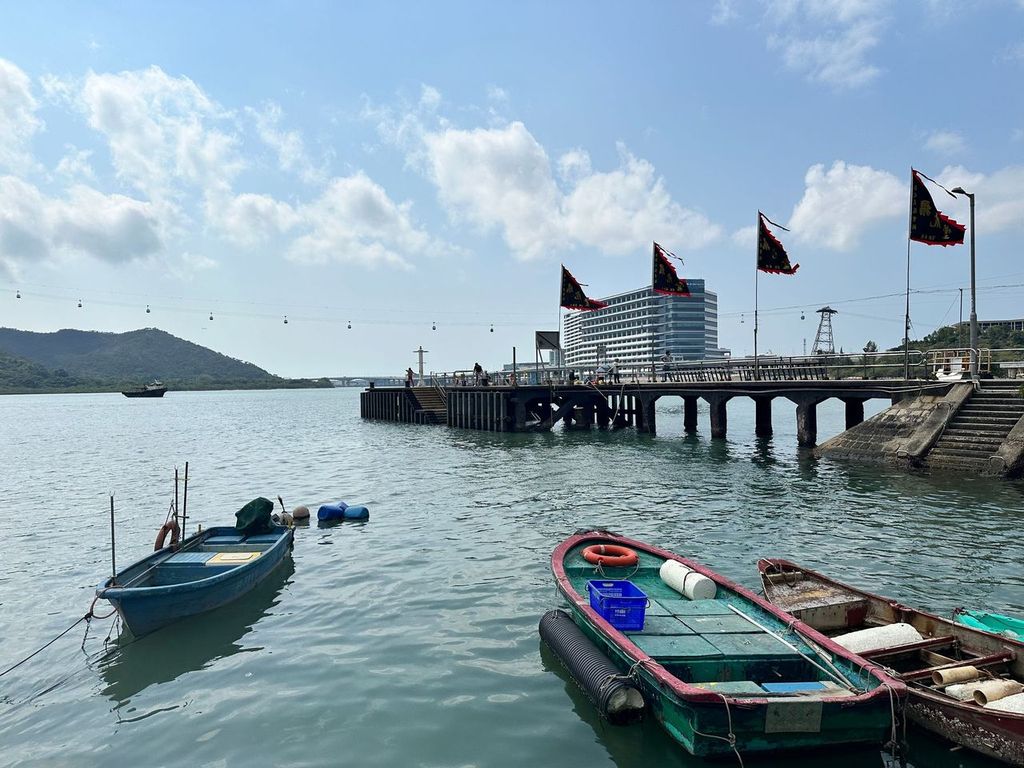
馬灣涌昔日是東涌的漁農貿易中心。1950年代至80年代,村內集合東涌各村農產物,售至大澳或油麻地街市;漁民則取其近海而長居於此,出海捕魚,並把魚獲賣至屯門三聖邨及太白海鮮舫。由此可見,馬灣涌曾是東涌的商業活動集中地。
寧靜小村後來變成馬灣涌村的特色。除了村民遷出、建設新機場、漁農活動式微等互為相關的因素外,更有近期的環境影響。「以前有條小路行到沙螺灣、大澳、(昂平)360,咁佢哋block(攔阻)咗我哋條路,無外地遊客經過我哋呢度啦。」工程時切斷了東澳步道的一節,添加馬灣涌村寧靜的理由。村長已經要求港鐵公司於工程完成後重新開放小路,方便定期還神的年邁居民及遊客,連接村與東涌及大澳,讓割裂的馬灣涌只是過渡而非永恒。(後記:經威哥村長和港鐵合力爭取下,連接馬灣涌村與東澳步道的小路在2025年1月底已重新開通。)
經歷兩面的馬灣涌居民,似乎冷靜看待交通更為方便的未來。權衡利與弊、地理方便與人流增加、經濟活動增加與「污染」、商業繁榮與人流變得複雜的矛盾是容易想像到的未來。「人旺就自然有污染,少不免嘅,睇吓你影響大定得益大」、「交通方便帶嚟嘅好處係多啲嘅」。當訪問村民對大量遊客湧進的可能時,他們描述各種兒時親歷、街道人群的細節,以熟悉的一面回應這一部份。「早已經習慣咗喧鬧」一位村長說畢,其他村長便哈哈大笑,並表示對變成遊客區反應不會太大。
人流一直都存在,與一般印象中的清靜小村相去甚遠。根據一項研究,香港中文大學人類學系估算馬灣涌村在2001年仍是東涌各村較多人的一條村,有500人及70戶。現時村內有 9 間酒樓或餐廳、2間剪髪店、1間單車店,印度教廟及回教徒清真寺,也有不同少數族裔生活於此。間中附近屋邨居民亦會到此散步,穿過這個以矮小樓房及棚屋組成的社區。筆者在中秋節前週末協助村內掛燈時,也曾遇見社區團體以馬灣涌村作為親子活動定向地點。就算不具市區熙來攘往的程度,馬灣涌都並非一般想像的人煙稀少、杳無人煙。
與其以都市節奏判斷鄉村是否寧靜,更好的就是親身走進村內,用腳步走過涌口,感受整條村的地景所承載的過去與現在,如何經歷熱鬧與平靜。東涌線延綫看來似是一個關鍵點,這幾年後,或許會變成另一個樣子,可能符合村民預期,也可能出現始料不及的變化。
As transportation becomes more convenient, communities inevitably change. A quiet village may transform into a popular spot full of trendy photo-worthy boutiques and coffee shops, with large crowds flowing in and affecting the daily lives of villagers… But for Ma Wan Chung Village, things may not be so straightforward. The Village Representatives imagine that after the Tung Chung Line extension is completed, it might resemble the familiar scenes from their own past growing up there. The interviews fluctuate between uncertain futures and reflections on the village’s prosperous past—a blend of familiarity and strangeness. Becoming the Tung Chung Trade Center again means the future is bringing with it a glimpse of the past.
The interview began with an abstract question: “What do you think the future of the village will be like after the MTR opens?” Initially, everyone joked, “What future?” But gradually, a discussion mixing both the known and unknown unfolded.
Ma Wan Chung was once the fishing and farming trade centre of Tung Chung. From the 1950s to the 1980s, the village aggregated agricultural products from various Tung Chung villages, selling them in Tai O or the markets of Yau Ma Tei. Fishermen lived here due to the proximity to the sea, going out to fish and selling their catch in Tuen Mun’s San Sang Chuen and the Tai Pak Floating Restaurant. This shows that Ma Wan Chung had once been the hub of commercial activity in Tung Chung.
Later, the village’s tranquility became its hallmark. Besides factors like villagers moving away, new airport development, and the decline of farming and fishing activities, recent environmental impacts have contributed as well. “There used to be a small path leading to Sha Lo Wan, Tai O, and (Ngong Ping) 360, but they blocked our path, so no tourists pass through here anymore,” one Village Representative said. Construction cut off a section of the Tung O Trail, adding to Ma Wan Chung’s peacefulness. The Village Representatives have requested the MTR company to reopen the path after construction, to facilitate visits by elderly residents who maintain traditional rituals and tourists alike—connecting the village to Tung Chung and Tai O, so that the separation of Ma Wan Chung is only temporary, not permanent. (Postscript: Thanks to joint efforts by Village Representative Mr Cheng and the MTR, the small path connecting Ma Wan Chung Village and the Tung O Trail reopened at the end of January 2025.)
Residents, having seen both sides, seem to regard the future of easier transportation calmly. They weigh pros and cons: geographic convenience versus more people, increased economic activities versus “pollution,” and commercial prosperity versus the complexity brought by crowds. “When people gather, pollution naturally comes; it’s inevitable. It depends on whether the harm outweighs the benefits,” one said. “The benefits of convenient transportation outweigh the downsides.” When asked about the influx of tourists, they recalled vivid childhood scenes of crowded streets, responding with familiarity. “We’ve been used to the noise for a long time,” said one Village Representative, prompting laughter from others who said they wouldn’t be too bothered if the village became a tourist zone.
The flow of people has always existed, far from the quiet, isolated village many imagine. According to a study by the Department of Anthropology at The Chinese University of Hong Kong, Ma Wan Chung still had a relatively large population among Tung Chung villages in 2001—with 500 people and 70 households. Currently, the village has 9 restaurants, 2 barbershops, 1 bicycle shop, a Hindu temple, and a Muslim mosque, with various ethnic minorities living here. Residents from nearby housing estates sometimes come to stroll through this community composed of low-rise buildings and stilt houses. The author, assisting with hanging lanterns before the Mid-Autumn Festival weekend, encountered community groups using Ma Wan Chung Village as a family activity orientation point. Although not bustling like urban areas, Ma Wan Chung is far from the sparsely inhabited, deserted place many imagine.
Instead of judging a village’s tranquility by urban rhythms, it is better to visit the village, walk along the creek, and feel how its geography carries the past and present, experiencing both liveliness and calm. The extension of the Tung Chung Line seems to be a critical juncture; in the coming years, the village might transform again, possibly in line with residents’ expectations or perhaps in unexpected ways.