






馬灣涌人的睿智與連結
Threads of Wisdom, Tides of Connection:
The Soul of Ma Wan Chung
撰 文 Louis Lo
若以兩個詞語描述馬灣涌村的村民生活,那莫如「睿智」(wisdom) 與「連結」 (connect) 般準確。位處村落入口的東昇樓,本是無心插柳下的幼苗,卻因村長悉心的照料而發芽。威哥的父親早年移民香港,意外地落腳東涌,及後又遇上河水氾濫,才毅然放棄務農的習慣而萌生經營飲食業的念頭。後來,威哥自學製作燒味,讓酒家除了馳名海鮮以外,也有燒鵝、燒肉等名菜,獨特的「東昇三寶」油然而生。近年,他又提攜後輩,讓他們自發經營夜茶時段,塑造東涌獨有的夜文化。星星之光,源源不斷,村民經營生意的智慧與傳承如影隨形。在酒家中間的小巷穿過,就彷彿開啟著村民多年的生活智慧與互助和諧的氣氛。
於是,我帶著這份好奇前行,很快便發現一處雜草叢生的地方,隱約仍可見斑駁的外牆,原來這是一處舊露天劇場。曾經,這裡盛載著村民的笑聲與相聚的冀望。即使小孩們無法承擔觀賞電影的消費,也會努力在圍牆中找出縫隙,又央求家人利用身軀爲自己增高,一窺光影之樂。在村裏,誰也是如此單純地努力生活,又追求快樂,小孩如是、大人如是,成就了村民之間的共同回憶。
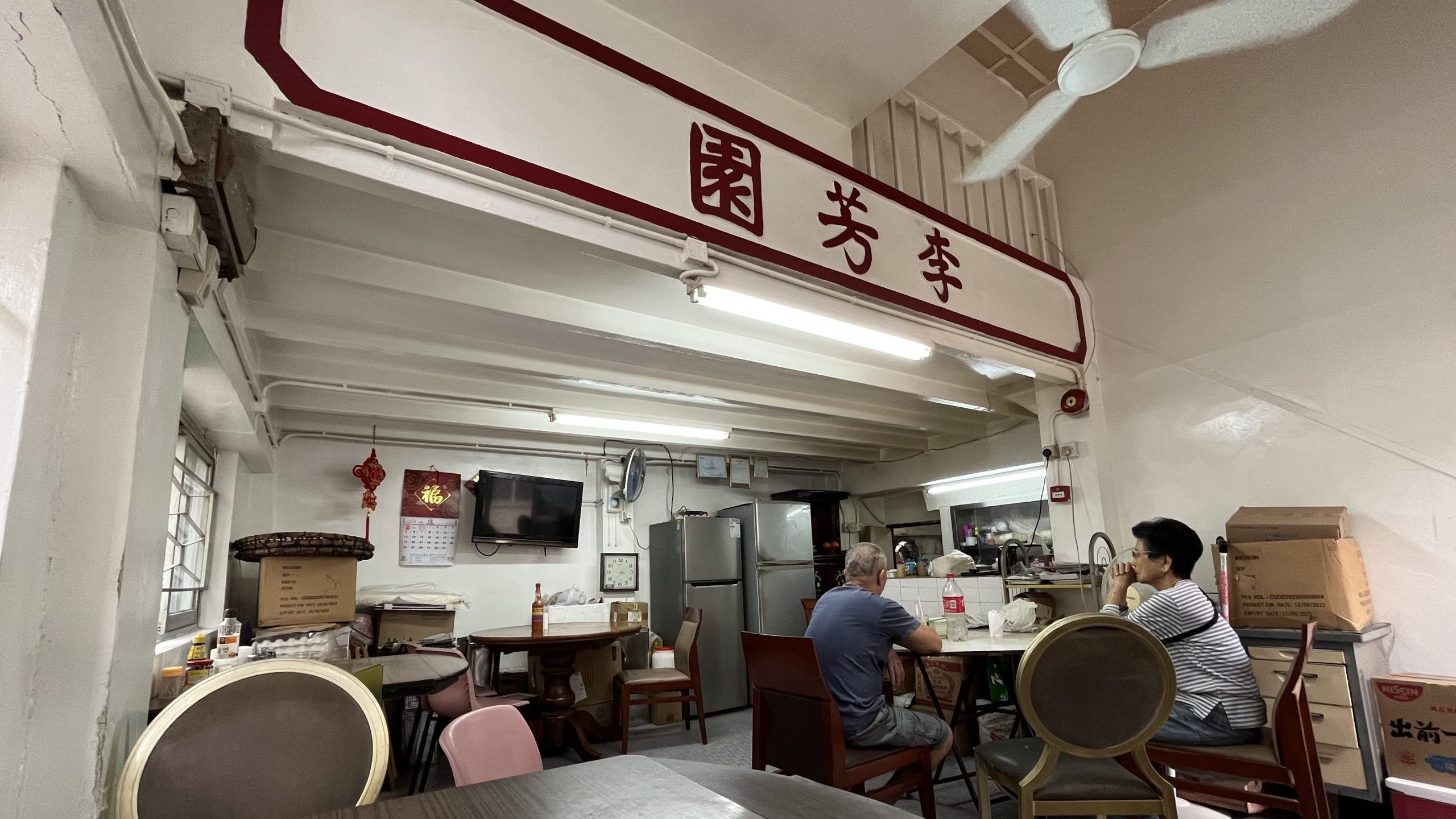
談到吃,位處村落中央的李芳園冰室,餐牌簡單明瞭,驟眼看款式不多,馳名的茶粿亦非經常售賣。可別以為老店便是獨沽一味的執拗,其實只是它一直也沒有正式餐牌,只要你開口請求,而餐廳又有相關食材,老闆娘便會願意花上五分鐘,烹調不在餐牌上顯示的餐點。現在,你仍可以清楚看見她拆開公仔麵包裝、開啟滾燙火爐的動作,又靜聽落在油鍋上雞蛋、雞翼與午餐肉滋滋作響,烹調完成後關掉一切設備,將食材物歸其位,餐廳又復歸平靜。然而,眼前這碗豐足的麵食,就是老闆娘刻意花五分鐘為你調製的心意,難怪村民會以「盆菜級」的公仔麵形容之。
但我想,最能閃耀人性光輝的,還是前方的東涌蔬菜產銷合作社。以往東涌最偌大肥沃的田地便鋪展在馬灣涌村旁。日出而作,是農民的本分。但每位村民若能多走一步,工作效率與人際間的互助,總能相得益彰。那時候,為免農民過於辛勞,合作社每早會為農民帶來的蔬菜磅重,給他們兌換現金,然後幫助農民將蔬菜運往碼頭,再經船運往堅尼地城的批發市場,省卻農民工夫。不只如此,衣食住行雖都能靠村裏的資源解決,但我們都深知,人最無法避免的是生病,而這對於偏僻的馬灣涌村而言更是挑戰。感恩的是,一位曾駐守嶼南醫院的郭嘉祥醫生,願意義務為村民看症和檢查身體。於是,村民又靈機一觸,提議利用下午空置的蔬菜合作社,變成臨時診所,作為郭醫生的據點。長途跋涉,八至十年風雨不改的義診使命,只為一份對村民的支持,這不就是村民在合作社多年來守望相助的精神嗎?村裏村外,其實是可以相通,互相感動,成就一份智慧的力量,可貴的信念。
村民多年對生活的堅持與人情味,就如棚屋的建築材料坤甸木,抵禦著多年來海水不斷的侵蝕,讓馬灣涌村在聚散無常、城市發展的洪流下,仍如此保有自己的特色,令人欣羨。
當你走進這外表樸實簡單的小村,就會發現,原來這裏也埋藏著一個滄桑而變幻無常的時代。只是,移居到此地的村民,每天都睥睨浪濤大海,四季更迭,日出而作,早已慣於擁抱生命中的變化。因此,以智慧力爭上游,又彼此激勵、連結,也理所當然地成為村民的氣質。今天,我們隨意找一位店主,聽他滔滔不絕地道來村落的故事,便知道歲月沉澱出來的歷練,對他們來說,是多麼值得守住的回憶。
所以,我們常有感被城市的節奏逼得喘不過氣,但若仍然相信「人」是最可貴的資產,我們會否願意回頭看看身邊的同伴,多少仍會給予你無條件的支持,勉勵你勇敢走下去?若然答案都是肯定的,我相信便是馬灣涌村對我們城市人的祝福。
誠摯希望東涌線延線通車後,帶給它的熱鬧,會是更豐富的生命力!
If one were to use two words to encapsulate the lives of the villagers in Ma Wan Chung, none would be more accurate than “Wisdom” and “Connect.” Standing at the village entrance is Tung Shing Lau, a seedling that sprouted almost by chance but flourished under the meticulous care of the village head.
The father of Wai-gor (the current proprietor) migrated to Hong Kong in his early years and unexpectedly settled in Tung Chung. After a devastating flood, he resolutely abandoned his farming habits and conceived the idea of entering the catering industry. Later, Wai-gor taught himself the art of roasting meats, ensuring that beyond its renowned seafood, the restaurant offered signature dishes like roast goose and pork, giving rise to the unique “Three Treasures of Tung Shing.”
In recent years, he has mentored the younger generation, encouraging them to operate a late-night tea session, thereby shaping a night culture unique to Tung Chung. Like a continuous starlight, the wisdom of business and the spirit of heritage among villagers remain inseparable. Passing through the small alley in the middle of the restaurant feels like unlocking years of living wisdom and an atmosphere of mutual harmony.
Driven by curiosity, I moved forward and soon discovered a spot overgrown with weeds, where mottled exterior walls were still faintly visible. This was once an old open-air theater. It used to hold the laughter of villagers and their hopes of gathering. Even when children could not afford a movie ticket, they would struggle to find cracks in the walls or beg their families to lift them up to catch a glimpse of the joy on screen. In this village, everyone—child and adult alike—strove simply to live and pursue happiness, weaving a tapestry of collective memory.
When it comes to food, Lee Fong Yuen, situated in the heart of the village, has a menu that is simple and clear. At first glance, the variety seems limited, and the famous Cha Guo (steamed tea cakes) are not always available. Do not mistake this old shop for being stubborn or one-dimensional; in truth, it simply never had a formal menu. If you ask, and if the ingredients are on hand, the proprietress is willing to spend five minutes preparing a meal not listed on the board. Even now, you can clearly see her unwrapping the instant noodles and lighting the stove, listening to the sizzle of eggs, chicken wings, and luncheon meat in the pan. Once finished, she turns everything off and returns each item to its place, restoring the restaurant to silence. Yet, the bowl of hearty noodles before you is a gift of heart prepared specifically for you—no wonder villagers describe these instant noodles as being of “Poon Choi” (basin feast) caliber.
However, I believe the “Tung Chung Vegetable Marketing Cooperative” further ahead is what best reflects the brilliance of human nature. In the past, the largest and most fertile fields in Tung Chung stretched alongside Ma Wan Chung. To work at sunrise was the farmer’s duty. But when every villager went the extra mile, work efficiency and mutual aid complemented each other perfectly. Back then, to ease the farmers’ toil, the cooperative would weigh the vegetables every morning, exchange them for cash, and help transport them to the pier to be shipped to the wholesale market in Kennedy Town.
Not only that—while basic needs could be met by village resources, illness remained an unavoidable challenge, especially for the remote Ma Wan Chung. Gratefully, a Dr. Kwok Ka-cheung, who was stationed at South Lantau Hospital, volunteered to provide medical consultations for the villagers. Inspired, the villagers suggested using the cooperative’s empty space in the afternoon as a temporary clinic for Dr. Kwok. For eight to ten years, rain or shine, this mission of voluntary service continued—a testament to the spirit of looking out for one another. Inside and outside the village, hearts are connected, creating a force of wisdom and a precious faith.
The villagers’ persistence and the warmth of their human touch are like the Belian used in stilt houses—resisting the constant erosion of seawater for years. This allows Ma Wan Chung to retain its unique character amidst the flux of partings and the torrent of urban development, a quality that invites admiration.
When you walk into this seemingly plain and simple village, you discover that it hides the traces of a weathered and mercurial era. Yet, the villagers who moved here, accustomed to gazing at the surging waves and the changing seasons, have long been used to embracing life’s transformations. Thus, striving upward with wisdom and encouraging and connecting with one another has naturally become their temperament. Today, if we strike up a conversation with any shop owner and listen to them speak passionately about the village’s stories, we realize that the experiences distilled by time are memories worth guarding.
We often feel breathless under the city’s pace, but if we still believe that “people” are the most precious asset, would we be willing to look back at our companions and see how much unconditional support they still give us? If the answer is yes, then I believe this is the blessing Ma Wan Chung offers to us urban dwellers.
I sincerely hope that after the Tung Chung Line Extension opens, the bustle it brings will translate into an even richer vitality for the village!